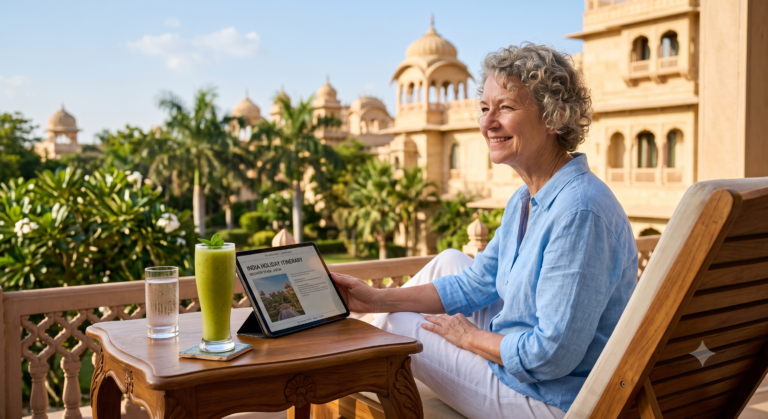
The concept of a “dental vacation” sounds incredibly appealing on paper. You fly to a vibrant, culturally rich destination, save thousands of dollars on extensive dental procedures, and spend your recovery time relaxing by a pool or exploring historic landmarks.
However, when you are facing major oral surgery—such as extractions, bone grafts, sinus lifts, or full-mouth implant placements—balancing medical recovery with a holiday requires careful orchestration. You cannot simply walk out of a surgical theater and immediately hop onto a bumpy tour bus to explore ancient ruins.
To ensure your trip is both medically successful and personally enjoyable, here is a realistic, practical blueprint for balancing major oral surgery with a holiday in India.
1. The Golden Rule: Tourism First, Surgery Second
If your travel itinerary includes heavy sightseeing, trekking, or exploring busy urban markets, you must schedule these activities before you sit in the dental chair.
Major oral surgery leaves your body focusing heavily on healing. For the first 3 to 5 days following surgery, you will deal with swelling, minor bruising, a restricted soft-food diet, and strict orders to avoid physical exertion. High temperatures, long walks, and dehydration will actively interfere with your recovery and increase the risk of post-operative bleeding.
The Ideal 10-Day Trip Structure:
- Days 1–3 (Pre-Op Tourism): Land in India, check into your hotel, and spend a few days sightseeing, shopping, and adjusting to the time zone.
- Day 4 (Surgical Execution): Undergo your planned implant placements or extractions.
- Days 5–7 (Active Rest): Relax at your resort or hotel, catch up on movies, enjoy local soft delicacies, and visit the clinic for routine healing checkups.
- Days 8–10 (Gentle Tourism & Departure): Engage in light, air-conditioned activities (like visiting a museum or an art gallery), complete your final bite-adjustments at the clinic, and board your flight home.
2. Managing the Indian Culinary Experience on a Soft Diet
One of the greatest joys of traveling to India is the food. However, following full-arch implant surgery, your chewing capabilities will be temporarily limited.
The good news is that traditional Indian cuisine is exceptionally accommodating to a soft-food diet. Instead of relying on bland protein shakes in your hotel room, you can explore flavorful, highly nutritious local options that require zero chewing:
- Dal Khichdi: A comforting, slow-cooked porridge made of lentils and rice, naturally packed with protein and easily swallowed.
- Makhani Gravies: You can enjoy rich, smooth tomato-and-cashew based curries (like the sauce of Butter Chicken or Paneer Makhani) over soft, well-steamed rice without consuming tough meats.
- Idlis: Soft, steamed savory rice cakes from South India that break apart instantly and are incredibly gentle on healing gums.
- Lassi & Chaas: Traditional yogurt-based drinks that keep you cool, hydrated, and full of probiotics to aid recovery if you are taking prescribed antibiotics.
3. Choosing the Right Base of Operations
When booking a dental holiday, your choice of accommodation is just as important as your choice of clinic. Do not try to save money by booking budget home-stays or hotels located far from your provider.
During your post-op recovery phase, your hotel serves as your primary recovery sanctuary. Ensure your accommodation features:
- Proximity: Located within a 10-to-15 minute drive from the clinic, making follow-up checks or quick adjustments completely stress-free.
- 24/7 Room Service: A kitchen staff that is happy to blend smoothies or prepare soft, customized meals at odd hours.
- Reliable Climate Control: High-quality air conditioning is vital to keep swelling down and ensure comfortable rest during your recovery days.
When international patients evaluate comprehensive dental tourism India packages, our team explicitly pairs clinical schedules with vetted, premium partner hotels nearby, ensuring that your transition from the dental chair to a comfortable recovery bed is seamless.
4. Setting Realistic Clinical Expectations
A successful dental holiday relies heavily on transparent communication regarding your timeline. While modern digital workflows like “Teeth-in-a-Day” allow doctors to attach beautiful, temporary fixed bridges shortly after placing implants, these teeth are designed for aesthetics and light nutrition, not heavy chewing.
Be prepared for the biological reality that true bone healing (osseointegration) takes between 3 to 6 months. For premium, long-lasting results, view your dental holiday as a two-part journey: an initial trip for surgery and structural stabilization, followed by a shorter return trip a few months later to receive your permanent, structural porcelain or zirconia bridges.
By treating the medical aspect of your journey with the respect it deserves and structuring your vacation around your body’s natural healing timeline, you can enjoy a safe, memorable holiday while securing a world-class smile.